There are many treatments for Parkinsons and these treatments and how they are prescribed vary across the world and it is impossible for me to cover all countries. On this page I will be covering the medications available in the UK. Wherever I teach I get asked what medications are best to get the Quality of life I am seeking and how come the person over there is doing better than me although we are on similar treatments. People with Parkinsons known as PWP are individuals and now a group of people with a long term condition so therefore their response to medications is individual as is the Parkinsons that each persons has. It is rare in clinics to see identical types of Parkinsons with identical response to treatments. Each case has its own ingredients combined together and the end result being a recipe that works for that individual.
Parkinsons is complex and it makes sense to get to know the person with Parkinsons while the PWP gets to know and understand their Parkinsons. Once this information is gathered together then a care pathway should be developed between the PWP and their professional in collaboration. This includes treatments both oral and non oral therapies and input from the multidisciplinary team such as the Physiotherapist Speech and language and many more. Medications are a very important part of living with Parkinsons and need to be taken regular and as advised by your professional.
Oral medications :
Sinemet co-careldopa : Sinemet comes in various dosages : 62.5mg 110mg 125mg 250mg .( Both the 125mg and the 250mg can be prescribed as Instant release or controlled release)
Madopar (co-beneldopa) : Comes in various dosages : 62.5mg 125mg 250mg and is produced in tablet form and capsules. It comes a soluble form which can be dispersed or in Capsules which are only effective in their soluble form and should not be opened and put in water as it will not dissolve just float and is ineffective to the symptoms if taken this way.
Caramet is also co-careldopa and comes in a white tablet which is ineffective unless taken whole whereas sinemet can be broken in half and taken with good effect. The dosages are the same as both sinemet and madopar
Entacapone prevents the peripheral break down of levodopa by inhibiting catechol-O-methyltransferase allowing more levodopa to reach the brain . This needs to be taken in conjunction with co-beneldopa or co-careldopa with end of dose fluctuations.
Stalevo Levodopa with Carbidopa and Entacapone combined therapy.
Rasagaline (Azilect) Used alone or as adjunct to co-beneldopa or co-careldopa for end of dose fluctuations
Ropinirole is an agonists always prescribed with the warning of the possibilities of the person taking it is at a low risk of developing Impulse Control Disorder. Ropinirole can be given as a once a day or at equal intervals 3 times a day treatment starting at a low dose increasing to a dose that gives the person with Parkinsons symptom relief.
Pramipexole is an agonists always prescribed with the warning of the possibilities of the person taking it is at a low risk of developing Impulse Control Disorder. Ropinirole can be given as a once a day or at equal intervals 3 times a day treatment starting at a low dose increasing to a dose that gives the person with Parkinsons symptom relief.
Amantadine: is a glutamate antagonist which has a weak to moderate antiparkinsonian effect . It tends to be used more in PWP who experience fluctuations such as dyskinesia’s.
Non oral
Rotigotine patch is a transdermal application patch starting at 2mg increasing to the maximum dose of 16mg. It has many uses in Parkinsons. It is used for PWP preferring not to start on oral medications and find using the patch a much easier way of remembering to take or use their treatment. For the newly diagnosed it can give them time to adjust to their new diagnosis yet at the same time starting treatment. It can be used to relieve over night off periods and for those who may have a more gut dominant Parkinsons the patch does not rely on gut absorption. For PWP undergoing surgery Rotigotine is used for when oral medications cannot be taken as they may be NBM. For those who experience constipation and find their oral drugs less effective Rotigotine has been proven to be off use . This comes with the same ICD warning as all agonists but the risk is as low as just 4%
Apomorphine : Refractory motor fluctuations in Parkinsons Disease (off episodes or fluctuations) inadequately controlled by oral medications Apomorphine is not Morphine. It is not a controlled drug It is not a pain killer and is not addictive. It comes in both Subcutaneous injections as in a penject and by a continuous infusion. It can be used on its own which is rare but is usually combined with oral medications at lower dosages. Apomorphine can be used for a few hours a day to 24 hours per day depending on the control needed and the suitability of it to the person using it.
Duodopa: Is also known as Co-Careldopa but is given through a pump directly into the Jejunum of the small intestine. It is invasive and does require a hospital admission for the tube to be inserted through a PEGJ. Usually with Duodopa oral medications can be reduced down to at least half the amount taken prior to starting the treatment. It is usually used from waking up to going to sleep but can be sued 24 hours . It comes in cassettes and to control the symptoms it can require 1-2 cassettes per day. Funding in the UK has to be agreed through NHS England.
Surgery : Deep Brain Stimulation This is the main type of surgery used to treat the symptoms of Parkinsons. It involves implanting fine wires with electrodes at the tips into the brain. These are connected to extensions which are tunnelled under the skin behind the ear and down the neck and connected to the pace making like box under the skin of the chest. when the stimulator is switched on the electrodes deliver high frequency stimulation to the targeted area. The stimulation changes some of the electrical signals in the brain that causes the Parkinsons symptoms. DBS is a good treatment to control PD symptoms but does not cure Parkinsons. Some PWP who have Parkinsons are able to reduce their oral medications and others are not. To qualify for DBS in the UK the PWP will be required to undergo extensive psychological and psychiatric assessments prior to being accepted on the programme.

 It is becoming harder in the NHS to get the appropriate drugs for PWP due to the lack of funding and post code lottery which is ongoing. Drug rationing is happening in many more areas of the UK with the cost of the medications being cited as the main issue. When patients come to clinic and are seen by their consultant or nurse it very much depends on where you live as to whether you are likely to get your GP to agre to prescribe what is reccoemneded in clinic.
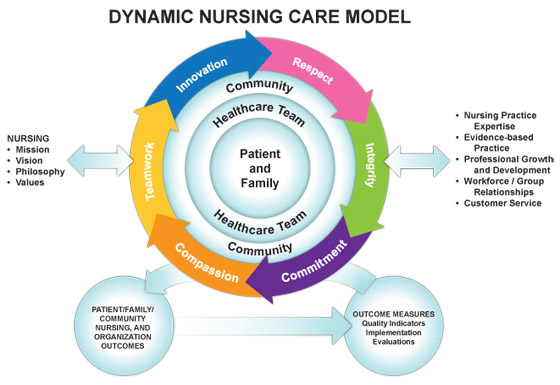
 There are 2 models of care at this time the medical model and the patient model of care. Until recently it has always been assumed that the medical model of care dominates with the professional leading the clinic time and often dominating the conversations had. It is assumed that if the person with Parkinsons does not comply with this model of care that they are seen as being non compliant and deviant..The patient centred model of care demands patients are educated at an early stage into their diagnosis and are therefore able to make informed decision about their care. This should include a pathway of care designed by the person with the condition and their clinician. It is also at this point that all aspects of oral and non oral therapy available to treat the Parkinsons as well as the benefits of the multidisciplinary input and their role is discussed,
Informed patients and their families are people who are able to make informed decisions about something only they can often understand. The language used in our world is like a computer language often only ever understood by the clinicians unless at diagnosis the patient is given a glossary. Clinic letters are sent home post clinic and when read by the patient and family very little is understood. The instructions on medication taking cant be followed and symptoms noted by the clinician are not understood by the patient. The condition therefore is owned by the clinicians and not the person with the parkinsons.